
Unlocking the Power of Local SEO: Your Fast Track to Google Maps Domination
In today’s digital-first world, mastering local SEO is no longer optional for small businesses and local entrepreneurs eager to capture nearby customers. Imagine your business appearing at the very top of Google Maps when potential clients search for your services—transforming online visibility into foot traffic and revenue. But how do you accelerate your climb in Google Maps rankings effectively and sustainably? Let’s explore expert insights and innovative strategies that can catapult your local presence.
Decoding Google Maps’ Ranking Algorithm: What Really Matters?
Google Maps ranking is driven by a complex blend of relevance, proximity, and prominence. As an experienced local SEO specialist, I’ve observed that understanding these factors is crucial. Relevance involves aligning your business info with local search queries, prominence reflects your reputation and reviews, and proximity considers the physical distance between the searcher and your location. Tuning into these elements is like unlocking a secret code to faster rankings. For a comprehensive overview, see Moz’s recent guide on local SEO strategies.
Supercharge Your Google My Business Profile with Proven Tactics
Your Google Business Profile is your digital storefront. To climb Google Maps quickly, optimize every element meticulously. Ensure your NAP (Name, Address, Phone number) is consistent across all platforms, add high-quality images, and craft compelling descriptions that incorporate local keywords naturally. Regularly update your profile with posts, offers, and new photos to keep your listing active and engaging. Responding promptly to reviews demonstrates active customer engagement and boosts your local prominence. For detailed optimization hacks, check out Google’s official business help center.
Leveraging Local Keywords and Content for Rapid Results
Beyond basic profile optimization, integrating local keywords into your website and content strategy accelerates rankings. Use tools like Google Keyword Planner or SEMrush to identify high-value local search terms. Creating location-specific pages or blog posts targeting these keywords signals relevance to Google Maps algorithms. For example, a bakery in Brooklyn might publish a blog titled “Best Cupcakes in Brooklyn” to attract local traffic. The key is to weave these keywords seamlessly into your content to enhance user experience and search engine understanding. Learn more about local keyword tactics at Yoast’s comprehensive local SEO resource.
Expert Tips: Building Local Citations and Backlinks
Establishing citations across reputable local directories and earning backlinks from local media or partners significantly boosts your prominence. Ensure your business details are consistent and accurate everywhere. Engaging with local community events and sponsoring initiatives can lead to natural backlinks, further consolidating your authority. I’ve seen businesses double their rankings within weeks by strategically expanding their local citation network. For authoritative citation sources, visit BrightLocal’s citation building guide.
How Can I Maintain and Improve My Google Maps Rankings Over Time?
Climbing the ranks is only part of the journey. Continuous optimization, review management, and local engagement are essential to sustain and improve your position. Regularly update your profile, solicit genuine reviews, and monitor your analytics to refine your strategy. Remember, local SEO is an ongoing process that rewards consistency and authentic engagement. For ongoing tips, explore our comprehensive local SEO blog.
If you found these insights helpful, share your experiences or ask questions in the comments. For further expert strategies, explore our detailed guide: Local SEO Secrets: How to Climb Google Maps Rankings Fast.
How Can Advanced Local SEO Tactics Transform Your Google Maps Rankings?
While foundational strategies lay the groundwork, advanced local SEO tactics are often what separate top performers from the rest. Techniques such as schema markup, localized content clusters, and strategic review acquisition can significantly boost your visibility. Implementing schema markup, for instance, enhances how search engines interpret your business information, making your listing more informative and attractive in local search results. Creating localized content clusters—groups of interlinked pages focused on specific neighborhoods or services—helps Google understand your expertise and relevance in particular locales. Additionally, proactively managing reviews by encouraging satisfied customers and responding promptly can elevate your prominence, as reviews are a critical ranking factor.
Could Your Competitors Be Using These Hidden Local SEO Strategies?
Many local businesses underestimate the power of subtle yet impactful strategies that their competitors might be leveraging. For example, leveraging user-generated content, such as customer photos and testimonials, can provide fresh, relevant content that signals activity and trustworthiness to Google. Moreover, building relationships with local influencers and community leaders can lead to high-quality backlinks and citations, further boosting your rankings. Tools like Moz’s recent guide on local SEO strategies highlight how staying ahead involves constant adaptation and creative outreach.
What Are the Practical Steps to Sustain and Grow Your Google Maps Performance?
Sustaining your Google Maps rankings requires a proactive, ongoing approach. Regularly auditing your NAP consistency across all platforms, monitoring review health, and updating your profile with seasonal offers or new photos are crucial. Additionally, engaging with your local community through events or sponsorships can generate natural backlinks and citations, reinforcing your local authority. Incorporating tools like BrightLocal’s citation building guide can streamline your citation management process. Remember, a dynamic local SEO strategy adapts to algorithm changes and evolving consumer behaviors, ensuring your business remains visible and competitive.
If you’re eager to deepen your understanding, consider exploring our top picks for local SEO secrets and proven tactics. Sharing your insights or questions in the comments can also spark valuable discussions—your experience might help others navigate their local SEO journey.
Harnessing Schema Markup to Boost Local Search Visibility
Implementing schema markup, particularly LocalBusiness schema, is a sophisticated technique that enhances how search engines interpret your business data. By embedding structured data into your website’s code, you facilitate a clearer communication channel with Google, leading to rich snippets, enhanced visibility, and improved click-through rates. This method is especially potent when combined with other advanced tactics such as localized content clusters and review schema integration, creating a comprehensive local SEO ecosystem that signals authority and relevance.
Building Interconnected Local Content Clusters for Authority Domination
Creating a network of interlinked pages focused on specific neighborhoods, services, or products—known as content clusters—amplifies your topical authority. Each cluster should feature a pillar page that broadly covers the main topic, linked to detailed sub-pages targeting niche keywords. Strategically, these clusters help Google understand your expertise in particular locales, reinforcing your prominence in local searches. For example, a law firm could develop separate clusters for different legal services in distinct neighborhoods, each supported by localized blog posts, testimonials, and case studies.
Expert Insight: How Can Managing Review Signals Influence Your Rankings?
Reviews are not just social proof—they are a critical ranking factor that can be manipulated ethically for growth. Advanced strategies include proactively encouraging satisfied clients to leave detailed reviews that mention specific services or keywords, responding thoughtfully to all reviews to demonstrate engagement, and leveraging review schema markup to enhance appearance in search results. Additionally, monitoring review sentiment and addressing negative feedback swiftly can mitigate potential ranking penalties while fostering trust and credibility in your local community.

Image prompt: Illustration of a website with schema markup code overlay, highlighting structured data for local business, surrounded by icons representing reviews, content clusters, and search engine results, demonstrating integrated local SEO tactics.
Strategic Local Link Building: Beyond Basic Citations
Advanced link-building tactics focus on cultivating relationships with influential local entities such as chambers of commerce, niche industry blogs, and regional news outlets. These relationships can lead to high-authority backlinks, local sponsorship opportunities, and collaborative content initiatives. Furthermore, engaging in community-driven campaigns or participating in local events fosters natural citations and backlinks, which are instrumental in elevating your prominence on Google Maps. Tools like Moz’s recent guide provide insights into innovative outreach methods that can be tailored to your niche.
Monitoring, Analyzing, and Refining Your Local SEO Strategy
Implementing advanced tactics requires ongoing measurement and iterative refinement. Utilize analytics platforms such as Google Analytics and Google Search Console to track keyword performance, user engagement, and ranking fluctuations. Set up local rank tracking tools to monitor your positions in specific neighborhoods or service areas. Regular audits of your citation consistency, review health, and schema implementation ensure your strategy remains robust against algorithm updates. Remember, the most successful local SEO campaigns are adaptable and data-driven, allowing you to respond swiftly to new opportunities or challenges in your local landscape.
For those committed to mastery, exploring comprehensive resources like BrightLocal’s citation management guide and advanced schema implementation tutorials can provide the technical depth needed to elevate your local SEO game. Are you ready to transform your Google Maps presence into an unassailable local authority? Dive deeper, experiment diligently, and watch your visibility soar.
Maximizing the Impact of Local SEO through Advanced Schema Markup Techniques
One of the most underutilized yet highly effective strategies for local SEO enhancement is the implementation of structured data, particularly schema markup. By embedding LocalBusiness schema into your website’s code, you enable search engines to better understand your business details, which can lead to rich snippets, improved click-through rates, and higher rankings. Advanced schema applications include adding specific data for products, services, and events, tailored to your local audience, thereby increasing your relevance and visibility in localized search results.
Developing Hyper-Targeted Local Content Clusters to Establish Authority
The creation of interconnected content clusters centered around specific neighborhoods or service niches is a sophisticated tactic to bolster topical authority and local relevance. Each cluster should feature a comprehensive pillar page linked to detailed sub-pages, such as blog posts, case studies, or testimonials, all optimized for localized keywords. This structure not only improves user engagement but also signals to Google your expertise in particular locales, resulting in higher prominence and ranking stability over time.
How Can Strategic Review Management Elevate Your Local Ranking?
Beyond mere collection, strategic management of reviews—encouraging detailed, keyword-rich feedback from satisfied clients while promptly addressing negative comments—can significantly influence your local search visibility. Incorporating review schema markup enhances your appearance in search results, and maintaining a high review volume with positive sentiment can act as social proof that propels your business above competitors. Consistent review solicitation campaigns integrated with customer engagement efforts ensure a steady flow of fresh, relevant signals to Google.
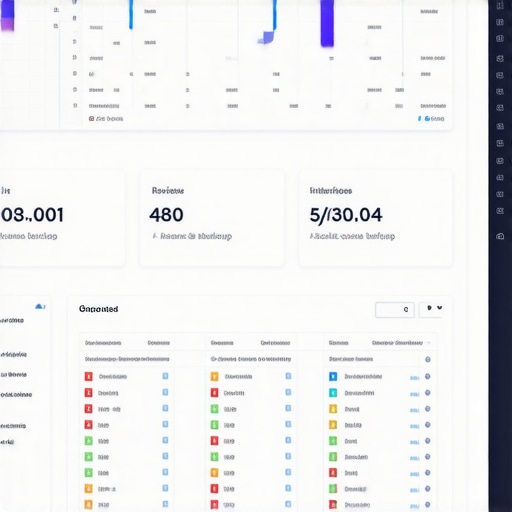
Image prompt: A professional dashboard showing review analytics, schema markup code snippets, and local content clusters, illustrating the integration of advanced local SEO tactics for maximum visibility.
Frequently Asked Questions (FAQ)
How long does it typically take to see results from local SEO efforts on Google Maps?
Results from local SEO strategies can vary, but generally, noticeable improvements in Google Maps rankings can be observed within 4 to 12 weeks, depending on the competitiveness of your local market, the consistency of your optimization efforts, and the quality of your local citations and reviews.
What are the most critical factors influencing Google Maps rankings today?
The most influential factors include relevance (how well your business info matches search queries), proximity (distance from the searcher), prominence (reputation, reviews, and overall authority), and engagement signals such as reviews and local citations.
Can new businesses quickly rank on Google Maps, or is it a long-term process?
While new businesses can implement rapid optimization tactics to gain initial visibility, achieving top rankings typically requires ongoing effort, reputation building, and accumulating reviews. Expect a phased approach where initial visibility can be boosted quickly, but sustained high rankings depend on continuous local SEO management.
How important are reviews in local SEO and Google Maps rankings?
Reviews are a critical ranking factor, influencing prominence and user trust. High-quality, detailed reviews with relevant keywords can improve your local relevance, while prompt responses to reviews demonstrate active engagement, further boosting your credibility and visibility.
What advanced tactics can help maintain and grow Google Maps rankings over time?
Advanced tactics include implementing schema markup for rich snippets, creating localized content clusters, managing consistent citations, leveraging backlinks from local sources, and actively managing reviews. Regular audits and updates ensure your local SEO remains aligned with algorithm changes and local market dynamics.
Trusted External Sources
- Moz Local SEO Guide: Offers in-depth insights into local search ranking factors, citation building, and advanced optimization strategies vital for expert-level understanding.
- Google’s Official Business Help Center: Provides authoritative guidance on GMB profile optimization, review management, and technical best practices directly from Google.
- BrightLocal’s Local Citations Resources: Specialized in citation management, local link-building, and reputation monitoring, essential for establishing local authority.
- Yoast Local SEO Guide: Comprehensive resource on local keyword strategies, schema markup, and content clustering for enhanced relevance and visibility.
- SEMrush Local SEO Toolkit: Offers tools for tracking local rankings, keyword research, and competitive analysis, supporting ongoing strategic refinement.
Conclusion
Mastering local SEO is a sophisticated, multifaceted process that blends foundational tactics like GMB optimization and review management with advanced techniques such as schema markup and localized content clusters. By understanding and leveraging these expert strategies, your business can accelerate its Google Maps rankings, establish a dominant local presence, and convert online visibility into tangible foot traffic and revenue. Remember, consistent effort, data-driven adjustments, and authentic engagement are the keys to sustained success. Share this guide with fellow local entrepreneurs, comment with your experiences, or explore further resources to deepen your local SEO mastery and unlock your business’s full potential.